
Connected, yet disconnected.

Updated: Sep 22, 2018
An understanding of how changes in technology impact on the way humans communicate and the ethical issues that surround these changes.
Technology. It is no longer simply a matter of objects in the hands of individuals; it has become a complex system that has built the house in which majority of humanity lives. Every day modern technology confronts us with questions and dimensions of human responsibility (Sytse Strijbos, 1998). Responsibility to perhaps question the intentions and use of our technology. We all operate a personal communication system, where we use multiple media in order to connect to people and information on a regular basis. Ralph Schroeder from Oxford Internet Institute states; “we are faced with the inexorable advance of multimodal connectedness” resulting in the need to always stay connected through technology which for most of us is now the norm (Musa & Willis, 2014, pg. 7).
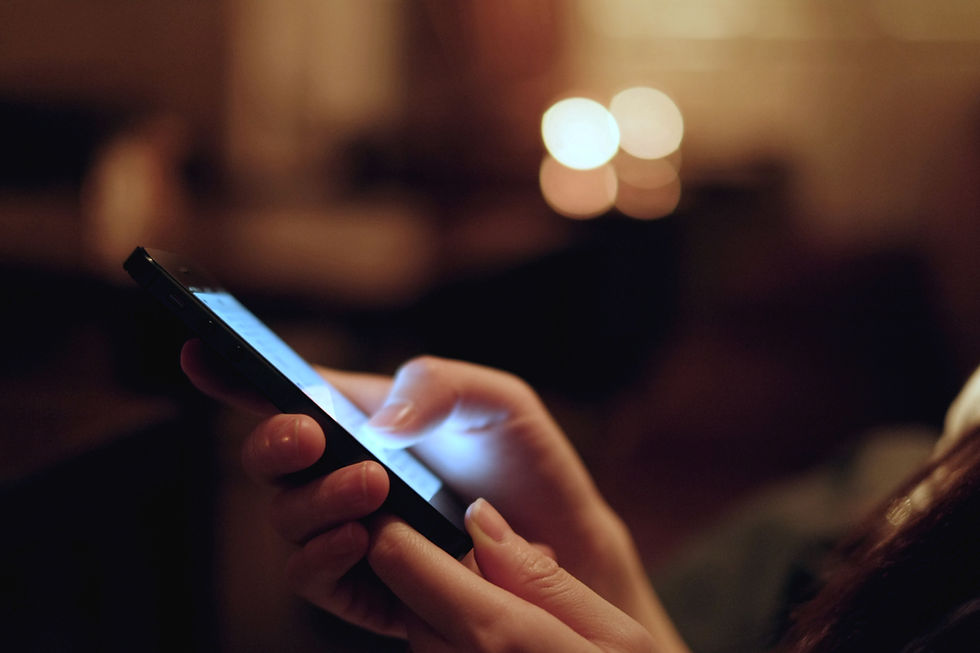
I know there is a part of me that is aware of my addiction to my phone and the need to always be updating myself on others through social media. Now more than ever I feel more connected to a lot of my friends and family through the use of technology which in many ways is a positive result but on the other hand is a barrier to true human interaction. It is not a priority for us to reach out and meet up with someone face to face anymore because we can see what they are doing through social media. By swiping through Instagram stories daily, we feel “connected” yet have never been more disconnected by technology it seems to me. We are just observers of other people lives and the need to reach out and re-establish human connection is something we all need to be reminded of.
Teachers have a responsibility to education children of the appropriate ways of using technology to utilise the benefits and avoid the detriments. As myself being a pre-service teacher I am aware of the potential harms that can come from the misuse of technology such as cyber bullying and will strive to avoid this ethical issue in my classroom.
“Teachers are in a unique position to show students how to use technology properly. According to the International Society for Technology in Education, teachers should follow performance indicators for social, ethical, legal, and human issues.” (Akcay, 2008, pg. 124)
After gaining more knowledge of the complexities of technology I understand the importance of encouraging my students to use technology in a productive and positive manner.
~ Soon to be Miss. G
Bibliography
Akcay, D. B. (2008). The Relationship between technology and ethic from society to school. Turkish Online Journal of Distance Education, 124.
Musa, B. A., & Willis, J. (Eds.). (2014). From twitter to tahrir square : ethics in social and new media communication. Retrieved from https://ebookcentral-proquest-com.ezproxy2.acu.e
Sytse Strijbos, F. U. (1998). Ethics and the systemic character of modern technology. PHIL & TECH 3:4 Summer , 19.


There is no doubt that our society has become increasingly more dependant on technology. By highlighting your dependence on technology at times, I think it really hits home that as a society we are increasingly moving away from face-to-face communication and supplementing it with our ‘connectedness’ through social media. This study by Whittaker and Kowalski has great detail about the multitudes of forms of cyber-bullying and the effects it can have on students, which I believe is one of the biggest issues we face as teachers in this ‘connected’ world.
Whittaker, E., & Kowalski, R. (2014). Cyberbullying Via Social Media. Journal of School Violence, 14(1), 11-29.